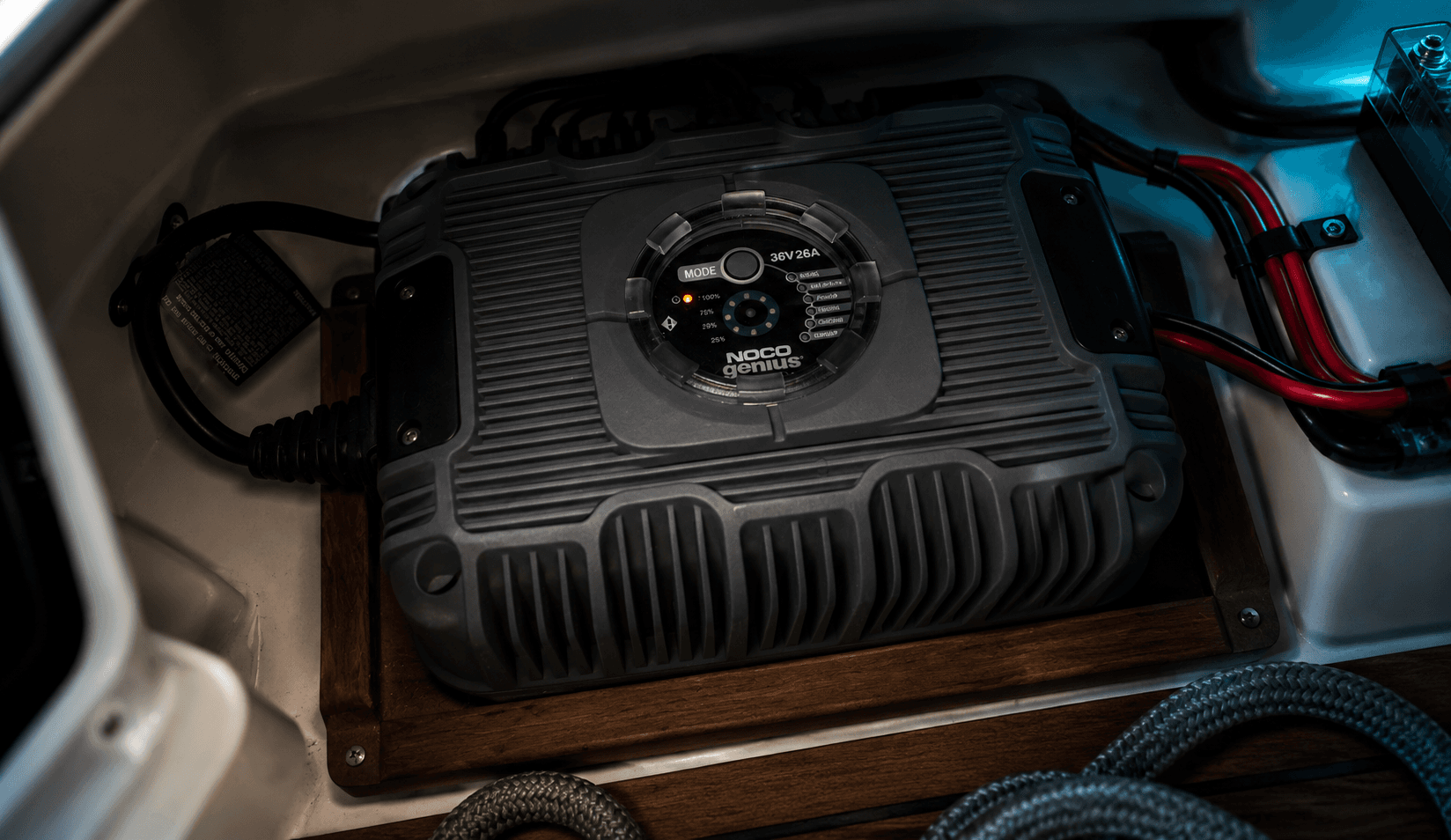
Common Signs of Charger Problems
One of the most common service calls we receive involves boats that are not charging properly. Owners often notice shorter run times, batteries that never seem to reach a full charge, or chargers that fail to start altogether.
In some cases, the charger appears completely dead. In others, indicator lights flash error codes, charging stops prematurely, or batteries remain undercharged even after being plugged in overnight.
Because charging problems can originate from the charger, batteries, wiring, or shore power connection, proper diagnosis is important before replacing parts.
Battery Problems Can Look Like Charger Problems
Many boat owners assume the charger is faulty when the real issue is the battery bank itself. Aging batteries can develop internal resistance, weak cells, or voltage imbalances that prevent normal charging.
A charger may refuse to start charging if battery voltage falls outside its operating range. Some chargers will also display fault codes when connected to severely damaged batteries.
This is why charger testing should always include battery testing. Replacing a charger without verifying battery health can lead to unnecessary expense and continued performance issues.
Wiring, Connections, and Shore Power Issues
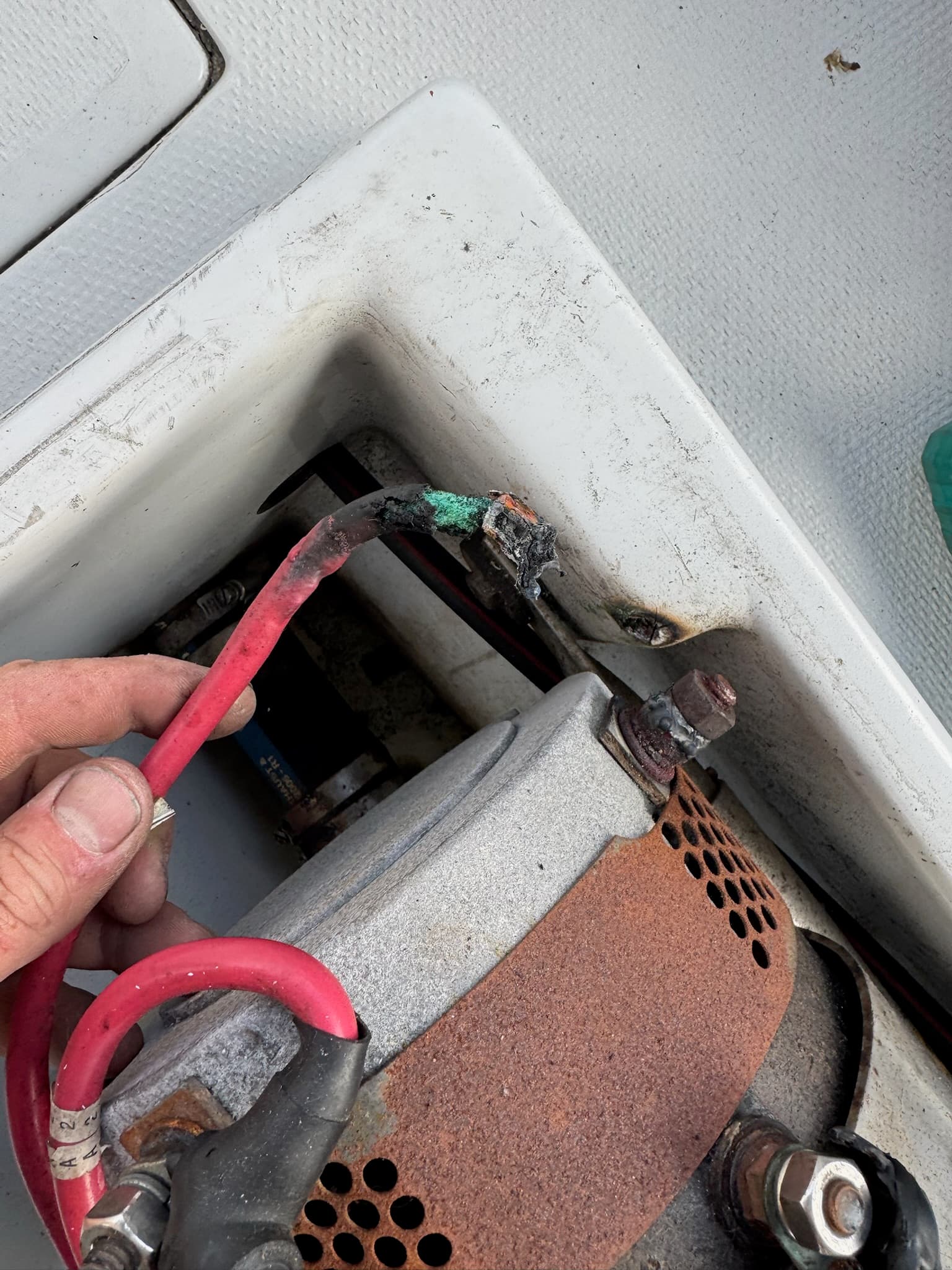
Charging systems depend on more than just the charger itself. Corroded terminals, loose wiring, damaged connectors, blown fuses, tripped breakers, and shore power issues can all interrupt charging.
We frequently find charging problems caused by simple connection failures rather than defective chargers. Saltwater environments are particularly hard on electrical connections and can create hidden resistance that affects charging performance.
A complete charging-system inspection includes verifying incoming power, charger output, wiring condition, and battery-bank connections.
Diagnosing the Right Solution
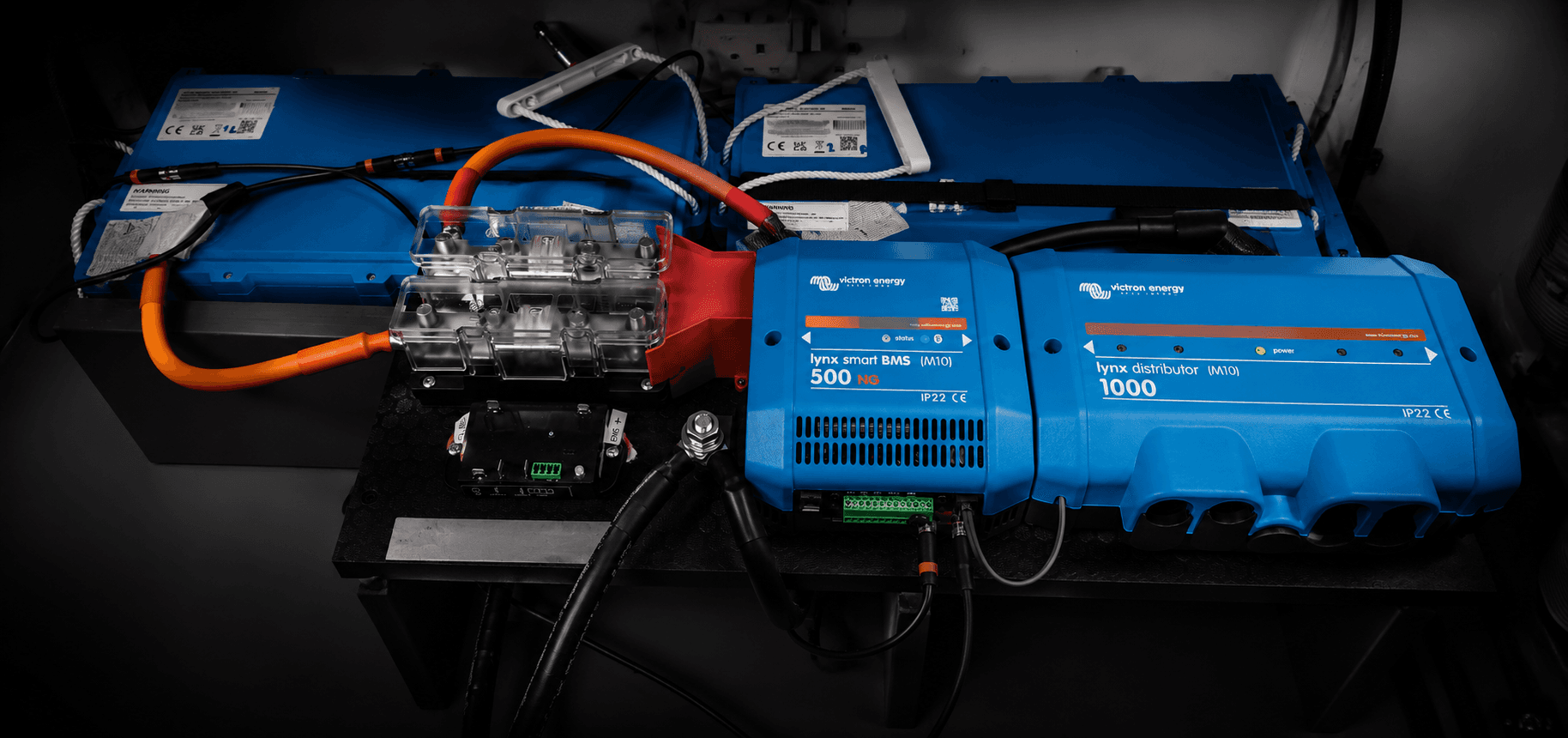
Modern electric boats use a variety of charging systems, including Delta-Q, Lester, Zivan, Eagle, and other marine chargers. Each system has different charging profiles, fault indicators, and compatibility requirements.
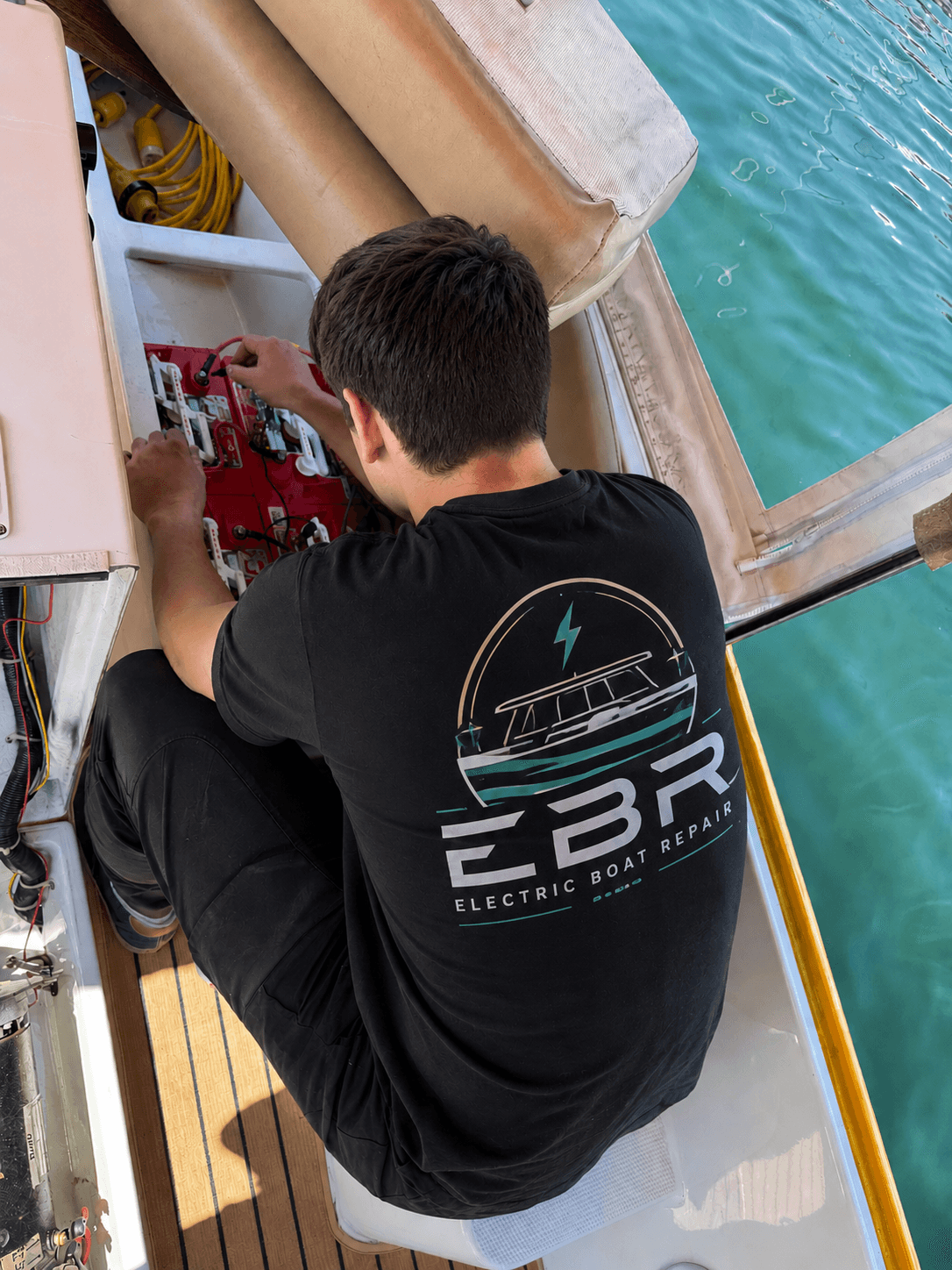
Professional testing allows technicians to determine whether the charger, battery bank, wiring, or another component is responsible for the problem. This prevents unnecessary parts replacement and ensures the correct repair is performed the first time.
Electric Boat Repair provides dockside charging-system diagnostics throughout Southern California. Whether your charger will not turn on, displays fault codes, or simply is not charging properly, we can identify the cause and recommend the best solution.